TMD / TMJ Treatment in Hudsonville
Drug-free TMJ and jaw pain relief in Hudsonville, MI. Dr. Fischer treats clicking, locking, and jaw aches with chiropractic and soft-tissue care.
Chiropractic care for tmd / tmj
Get to the root of your tmd / tmj
Also known as: TMJ Disorder, Jaw Pain, Temporomandibular Joint Dysfunction
Jaw pain that clicks, pops, locks, or just aches all day is more than an annoyance — it affects eating, talking, and sleeping, and it often brings relentless headaches along for the ride. At ABC Chiropractic in Hudsonville, Dr. Nick Fischer looks beyond the jaw itself to the neck tension, postural patterns, and muscle imbalances that frequently drive TMD, and builds a gentle, drug-free plan to address all of it.
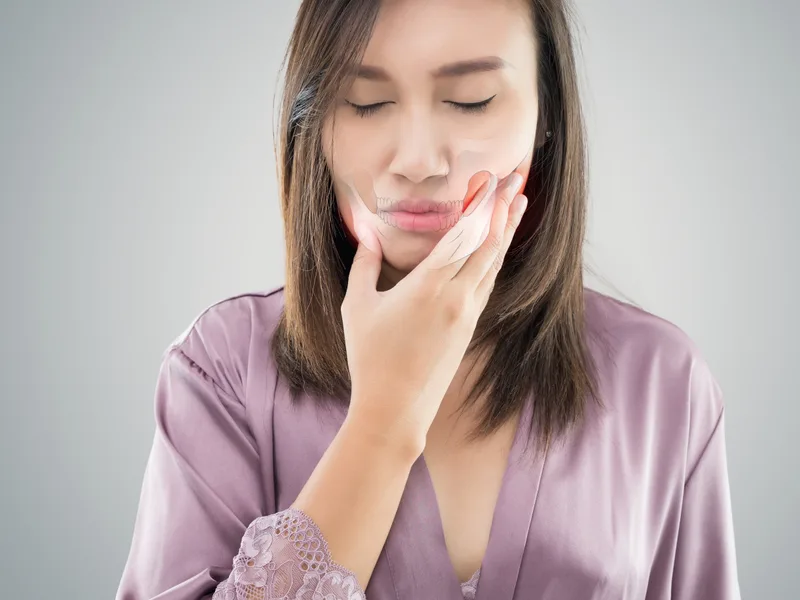
Symptoms of tmd / tmj
- ✓Clicking, popping, or grinding when you open or close your mouth
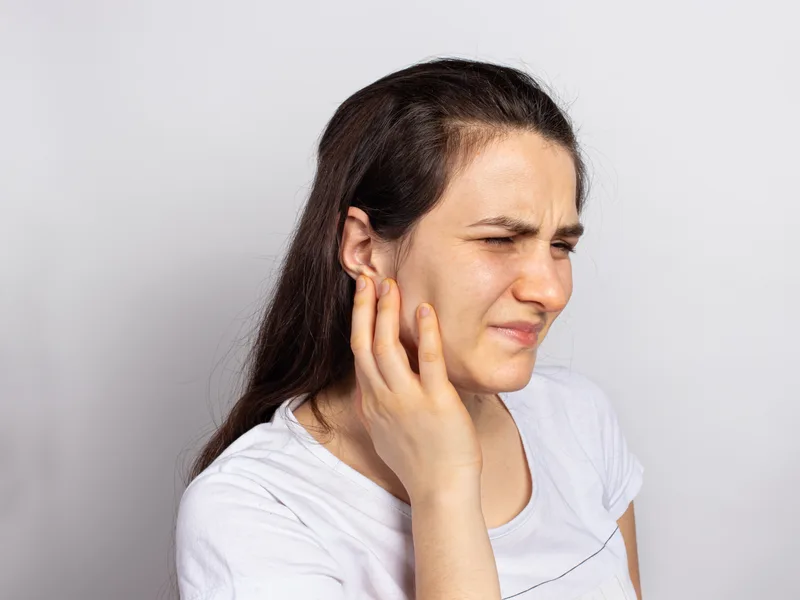
- ✓Pain or tenderness in the jaw joint, in front of the ear, or along the jaw line
- ✓Limited mouth opening or a jaw that gets stuck or locks
- ✓Headaches — especially in the temples or at the base of the skull
- ✓Facial muscle aching, tightness, or fatigue when chewing
- ✓Ear pain, fullness, or ringing (tinnitus) with no apparent ear cause
- ✓Neck and upper shoulder tension that accompanies jaw symptoms
Common causes
- Muscle imbalance and chronic clenching or grinding (bruxism)
- Poor posture and forward-head position straining the upper cervical spine
- Restricted upper cervical joints altering jaw mechanics
- Bite misalignment from missing teeth, dental work, or a poor-fitting appliance
- Injury or trauma to the jaw, chin, or neck (including whiplash)
- Stress-driven jaw tension and teeth grinding during sleep
- Repetitive strain from prolonged gum chewing or wide mouth opening

Our approach
How we treat tmd / tmj in Hudsonville
- Step 1
Thorough exam
We review your jaw, neck, and posture and perform orthopedic and muscle testing to map what's driving your TMD — and coordinate with your dentist when bite or splint needs are identified.
- Step 2
A clear, personalized plan
You leave the first visit with a plain-English explanation of what we found and a specific, time-bound care plan — not open-ended treatment with no finish line.
- Step 3
Jaw, neck & posture care
We combine gentle jaw and cervical adjustments, targeted soft-tissue work to the jaw and upper back, and corrective exercise to correct posture and relieve the muscle tension that keeps TMD active.
The basics
Understanding tmd / tmj
The temporomandibular joints (TMJ) connect your lower jaw to your skull just in front of each ear. They work in tandem with a disc, muscles, and ligaments to let you chew, speak, and yawn — and they're in near-constant motion. When the disc, the muscles, or the joint mechanics become unbalanced, you get the clicking, pain, limited opening, and headaches that define TMD. Bite issues and tooth grinding (bruxism) play a role, but so does forward-head posture, upper cervical joint restriction, and chronic tension in the jaw and neck muscles — all areas where chiropractic care makes a real difference.
That's why a co-management approach works best for most TMD patients: Dr. Fischer addresses the jaw, neck, and upper-back mechanics while your dentist manages the bite and any splint therapy. Together, those two tracks often produce faster and more lasting relief than either alone. If you haven't seen a dentist yet for your jaw, we can help you coordinate that referral.
New Patient Special
$49
Consultation, exam, and first adjustment (as clinically appropriate) for new patients.
New patients only. Excludes Medicare/Medicaid and personal-injury cases. Mention this offer when booking.
TMD and jaw pain — types we treat
TMJ disorder shows up differently from person to person. We regularly help Hudsonville-area patients with:
- Jaw clicking and popping — often caused by disc displacement within the TMJ. Soft-tissue work and gentle mobilization help reduce noise and discomfort over time.
- Jaw muscle pain and tightness — chronic clenching and bruxism overload the masseter, temporalis, and pterygoid muscles. Massage therapy and corrective exercise release and re-pattern those muscles.
- Cervicogenic jaw pain — upper cervical joint restriction that alters jaw mechanics and amplifies TMD. Closely linked to neck pain; we address both in the same plan.
- TMD-related headaches — referred pain from the jaw and upper cervical spine into the temples or skull base. Often overlaps with headaches and migraines; treating the jaw and neck together improves both.
- Post-trauma TMD — jaw and neck injuries from whiplash, a blow to the chin, or dental procedures can set off TMD months later. We document the timeline carefully for insurance purposes.
- Posture-driven TMD — forward-head posture increases compressive load on the TMJ and the upper cervical spine simultaneously. Corrective exercise and posture retraining are central to lasting relief.
Your exam tells us which pattern fits your jaw — so your plan is built for you, not a one-size-fits-all protocol.
When to see a chiropractor in Hudsonville
Most jaw pain doesn’t resolve on its own when neck tension and posture are contributing factors. Consider booking an exam if you notice:
- Jaw clicking, popping, or grinding that is painful or worsening
- Trouble opening your mouth fully or a jaw that catches or locks
- Facial muscle aching that lingers through the day or wakes you up
- Headaches in the temples or at the base of your skull alongside jaw symptoms
- Neck stiffness or upper-shoulder tension that seems linked to your jaw pain
- Jaw pain that started after a car accident, sports collision, or dental procedure
If jaw symptoms are accompanied by facial numbness, sudden difficulty swallowing, or signs of joint infection such as swelling, redness, and fever, seek urgent medical evaluation — these can indicate conditions outside the scope of conservative care.
What to expect at your first visit
Your first appointment takes about 45–60 minutes, and it’s focused on understanding what’s driving your jaw pain before we treat it. Here’s how it goes:
- Listen to your story — when the symptoms started, what triggers clicking or locking, whether you grind your teeth, and how jaw pain is affecting eating, sleep, and daily life.
- Examine thoroughly — jaw range of motion, cervical orthopedic and postural testing, and muscle palpation to map the mechanical drivers of your TMD.
- Explain what we found — in plain English, with a specific, time-bound care plan and realistic expectations; we’ll flag whether a dental co-management referral makes sense for you.
- Start care when appropriate — many patients receive gentle cervical and jaw soft-tissue work on the first visit and leave with noticeably less muscle tension.
You’re never locked into open-ended treatment — just a clear plan with a real finish line.
Drug-free TMJ relief — without medication or surgery
Muscle relaxants and anti-inflammatories can briefly quiet jaw pain, but they don’t correct the forward-head posture, upper cervical restriction, or muscle imbalance that keeps TMD active. Surgery is rarely necessary for conservative TMD and carries real recovery risks. Chiropractic care offers a third path — reduce the pain and correct what’s driving it, without drugs or downtime. For most patients across Hudsonville, Jenison, Grandville, and Allendale, that means eating, sleeping, and talking comfortably again faster — and staying there. And if your exam ever suggests you need dental splint therapy, imaging, or specialist evaluation, we’ll tell you honestly and help coordinate that care.
Why Hudsonville-area patients choose ABC Chiropractic
Patients from Hudsonville, Jenison, Grandville, Georgetown Township, and Allendale choose us because we look at the whole picture — not just the jaw. Dr. Nick Fischer addresses the cervical mechanics, posture, and muscle tension that amplify TMD, working alongside your dentist rather than competing with them. Gentle chiropractic adjustments, hands-on massage therapy for the jaw and upper back, and targeted corrective exercise are combined into one clear plan — so you get relief now and the tools to keep TMD from coming back.
Ready to get started? Our New Patient Special makes your first visit easy, and you can book an appointment online in under a minute.
Why choose chiropractic
Chiropractic care vs. the typical TMJ routine
| Comparison factor | Chiropractic Care | Pain Meds & Surgery |
|---|---|---|
| Addresses the root cause | ✓Corrects jaw, neck & posture mechanics | ✕Masks the symptoms |
| Drug-free & non-invasive | ✓Always | ✕Rarely |
| Risk of side effects | ✓Minimal | ✕Higher (meds, surgery) |
| Personalized to you | ✓Custom care plan | ✕One-size-fits-all |
| Treats posture & muscle patterns | ✓Built into the plan | ✕Seldom addressed |
| Typical recovery experience | ✓Active & gradual | ✕Often lengthy or recurring |
Treatment options
Services we use to relieve tmd / tmj
Chiropractic Care
Gentle, precise chiropractic adjustments in Hudsonville, MI that restore motion to restricted joints and relieve back pain, neck pain, and headaches at the source.
Learn more →Physiotherapy
Personalized corrective exercise and rehab in Hudsonville strengthen weak links, fix posture, and keep back pain, neck pain, and shoulder pain from coming back.
Learn more →Therapeutic Massage
Therapeutic massage in Hudsonville relaxes tight muscles, improves circulation, and complements chiropractic care for neck pain, whiplash, and tension headaches.
Learn more →Related conditions
Other conditions we treat in Hudsonville
Patient reviews
What our Hudsonville patients say
“I came in with months of low-back pain and felt real relief after the first week. Dr. Fischer actually listens and explains everything.”
“Best chiropractor in Hudsonville. The whole team is friendly and the adjustments are gentle — never rushed.”
“Helped my sciatica when nothing else did. I highly recommend ABC Chiropractic to anyone on the fence.”
What causes TMJ disorder (TMD)?+
TMD usually comes from a combination of factors — muscle imbalance from grinding or clenching, forward-head posture that loads the upper cervical spine and alters jaw mechanics, bite misalignment, or past trauma to the jaw or neck. Our exam identifies which of these is contributing to your symptoms so we can target the real source.
Can a chiropractor help TMJ pain?+
Yes. Chiropractors address the neck, upper-back, and jaw-muscle components of TMD that dentists and oral surgeons typically don't treat. Gentle adjustments to the upper cervical spine, soft-tissue work along the jaw and masseter muscles, and posture correction can significantly reduce jaw pain, clicking, and headaches.
How many visits will I need for TMJ relief?+
It varies based on how long you've had symptoms and what's driving them. After your exam, Dr. Fischer gives you a specific, time-bound care plan with a clear endpoint — not ongoing open-ended visits.
Will my insurance cover TMJ treatment at a chiropractor?+
Many plans cover chiropractic care for TMD-related complaints. Share your insurance details and we'll verify your benefits before your first visit so there are no surprises.
Is chiropractic care for TMJ safe?+
Yes. We use gentle, targeted techniques appropriate for the jaw and upper cervical spine, and we screen every patient thoroughly before beginning care. Side effects are generally minimal.
Should I see a chiropractor or a dentist for TMJ?+
Ideally both. Dentists and orthodontists manage bite correction and splint therapy; chiropractors address the joint mechanics, neck tension, and postural patterns that amplify jaw pain. Co-management typically produces the best results, and Dr. Fischer is glad to coordinate with your dentist.
Can TMJ cause headaches?+
Very commonly, yes. The muscles and joints of the jaw share nerve pathways with the upper cervical spine, so TMD frequently refers pain into the temples, behind the eyes, or at the base of the skull. Treating the jaw and neck together often reduces both jaw pain and headache frequency at the same time. Learn more on our [headaches page](/symptoms/headaches-migraines/).
Can teeth grinding cause jaw and neck pain?+
Absolutely. Bruxism (grinding or clenching, often during sleep) chronically overloads the masseter and temporalis muscles and the TMJ, leading to morning jaw pain, headaches, and referred neck tension. Soft-tissue work and corrective exercise address the muscle component while your dentist manages the bite.
Do I need imaging before starting TMJ treatment?+
Not usually. Most TMD is diagnosed clinically through your history, jaw-range-of-motion testing, and muscle palpation. If we suspect disc displacement or structural change that would alter your care, we'll discuss appropriate imaging or refer to your dentist for a panoramic X-ray.
What if my jaw locks open or closed?+
An acutely locked jaw warrants prompt evaluation. For intermittent locking between visits, gentle jaw mobilization and muscle work can restore range of motion and reduce how often it happens. If locking is severe or doesn't respond to conservative care, we'll coordinate referral to an oral surgeon.