Trigger Point Therapy in Hudsonville
Focused pressure on muscle knots in Hudsonville, MI releases trigger points that cause neck pain, headaches, and shoulder tension — drug-free relief at the source.
ABC Chiropractic
Trigger Point Therapy in Hudsonville
That stubborn ache in your neck, the tension headache that won't quit, or the shoulder soreness that keeps returning — these can all trace back to tight, hyperirritable spots in the muscle called trigger points. At ABC Chiropractic in Hudsonville, Dr. Nick Fischer uses focused pressure to release these knots directly, calming the referred pain patterns they create and giving muscles the chance to work the way they're supposed to.


How it works
What to expect with trigger point therapy
- Step 1
Locate the source
We map your referred pain pattern and palpate the muscles to identify the exact trigger points driving your symptoms — not just the area where it hurts.
- Step 2
Sustained release
Direct, firm pressure is held on each active trigger point until the tissue releases, interrupting the pain-tension cycle and restoring normal muscle tone.
- Step 3
Movement & follow-through
Gentle stretching, active range-of-motion, and home care instructions lock in the release and help prevent the trigger points from reforming.
Why patients choose it
Benefits of trigger point therapy
Relief from tension headaches and migraines driven by neck and shoulder knots
Reduced neck stiffness and upper-back tension
Fewer recurring shoulder aches from postural or overuse trigger points
Improved muscle flexibility and range of motion
Drug-free, non-invasive — no downtime after sessions
Pairs naturally with chiropractic adjustments for longer-lasting results
The basics
About trigger point therapy
A trigger point is a tight band of contracted muscle fibers that won't fully relax on their own. Press on one and you don't just feel local soreness — you often feel pain light up somewhere else entirely. That's the "referred pain" pattern that makes trigger points notorious: a knot in your upper trapezius can fire headache pain up into your skull; a spot in your shoulder can mimic neck stiffness; tight hip muscles can fuel low-back ache. Trigger points form from overuse, poor posture, repetitive strain, stress, and old injuries that never fully healed.
The good news is that trigger points respond directly to skilled, sustained pressure. By holding firm compression on the exact spot until the tissue releases — then following up with gentle movement and stretching — we reset the muscle's resting tone, interrupt the pain cycle, and restore the normal range of motion that lets you move through your day without guarding. Most patients feel a noticeable reduction in both local and referred pain within the first session.
New Patient Special
$49
Consultation, exam, and first adjustment (as clinically appropriate) for new patients.
New patients only. Excludes Medicare/Medicaid and personal-injury cases. Mention this offer when booking.
What is trigger point therapy?
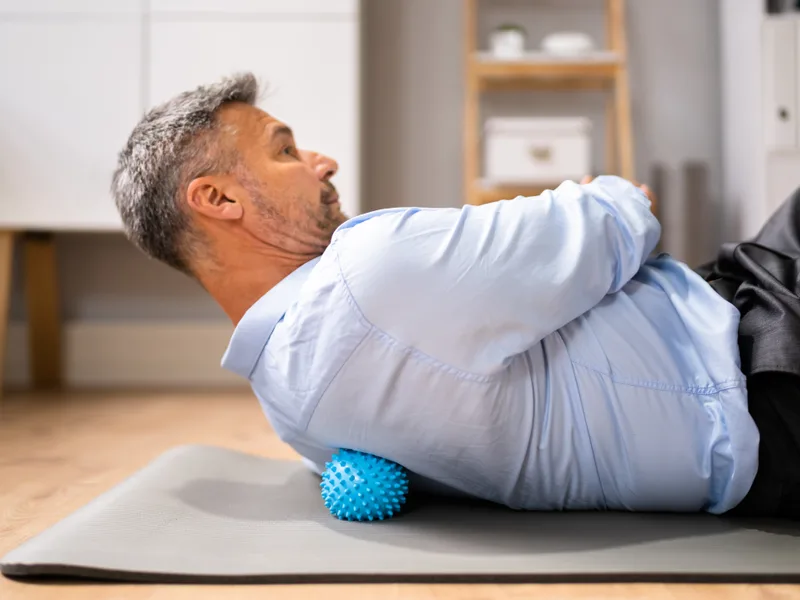
A trigger point is a small, hyperirritable knot in a muscle band — the kind of tight spot you can press with a finger and feel pain radiate somewhere else entirely. Trigger point therapy uses focused, sustained manual pressure to release these knots, interrupt the pain-tension cycle they create, and restore the muscle to a healthy resting tone.
Think of it as finding the exact reset button for a muscle that’s been locked in overdrive. Once the knot releases, the referred pain that’s been following you around — the headache that starts in your neck, the shoulder ache that won’t quit — typically fades along with it.
What to expect
Your trigger point session at ABC Chiropractic starts with a brief conversation about your symptoms. Dr. Fischer maps where your pain travels and palpates the relevant muscles to locate the active trigger points responsible.
When pressure is applied to an active point, you’ll feel a recognizable — sometimes intense — ache that often matches your familiar pain pattern. That’s a sign we’ve found the right spot. Pressure is held for several seconds to a couple of minutes until the tissue noticeably softens and the referred sensation eases. Sessions typically run 20–40 minutes depending on how many areas need attention.
After the session you may have mild muscle soreness for a day or two — similar to how you feel after a new workout. Most patients find this quickly gives way to a feeling of looseness and reduced pain. We’ll send you home with simple stretches to keep the gains and make follow-up sessions more effective.
Who it helps
Trigger point therapy is a strong fit if you’re dealing with:
- Neck pain that won’t fully clear with adjustments alone
- Shoulder pain from desk work, overhead activity, or old strains
- Tension headaches and migraines that seem to start in the neck or base of the skull
- Back pain with a muscle-tension component — especially the mid- and upper back
- Pain that keeps returning to the same spot after brief relief
It pairs especially well with chiropractic adjustments, myofascial release, and massage therapy, and is sometimes used alongside dry needling for stubborn chronic patterns.
Why choose ABC Chiropractic
Patients from Hudsonville, Jenison, Grandville, Georgetown Township, and Allendale choose ABC Chiropractic because we look for the actual source of the pain — not just the spot that hurts. Dr. Nick Fischer integrates trigger point therapy into a broader care plan that addresses the posture, movement habits, and spinal mechanics that keep trigger points coming back.
You get a clear, honest plan with real goals — not endless appointments. Ready to start? Check out our New Patient Special or book your appointment online today.
What it helps
Conditions we treat with trigger point therapy
What is trigger point therapy?+
Trigger point therapy is a hands-on technique where sustained pressure is applied to tight, hyperirritable spots (trigger points) in a muscle. The pressure releases the contraction, eases referred pain, and restores normal muscle function.
What does a trigger point feel like?+
You'll usually feel a firm, tender nodule in the muscle. When we press on it, you may feel a familiar, dull ache that radiates to another area — that referred pain pattern is how we confirm the correct spot.
Does trigger point therapy hurt?+
It can feel like a good hurt — recognizable tenderness that fades as the tissue releases. We always work within your tolerance. After a session, mild soreness lasting 24–48 hours is normal and usually followed by notable relief.
How many sessions will I need?+
Many patients feel meaningful improvement after 2–4 sessions, especially for acute or recent trigger points. Chronic patterns built up over months or years may need a longer course. Dr. Fischer will outline a specific plan after your first visit.
Can trigger points cause headaches?+
Yes — this is one of the most common patterns we see. Trigger points in the upper trapezius, suboccipital muscles at the base of the skull, and the sternocleidomastoid muscles in the neck all refer pain into the head and are a frequent driver of tension headaches and some migraines.
Is trigger point therapy safe?+
Yes. It is a non-invasive, hands-on technique. We take a full health history and screen for any conditions that would require a modified approach before beginning treatment.
How is trigger point therapy different from a regular massage?+
A general massage focuses on broad muscle relaxation through flowing strokes. Trigger point therapy is more targeted — we identify and hold pressure on specific hyperirritable spots that are causing referred pain, then work through releasing each one methodically.
Will my insurance cover trigger point therapy?+
Coverage depends on your plan. We accept many major insurance plans and offer transparent self-pay rates. Send us your insurance information and we'll check your benefits before your first visit — no surprises.
Can trigger point therapy help my shoulder pain?+
Often, yes. Many shoulder complaints — rotator cuff tension, upper-trap tightness, interscapular pain — have active trigger points as a key component. Releasing them, combined with chiropractic care, usually produces faster results than either alone.
What should I do after a trigger point session?+
Drink plenty of water, do the gentle stretches Dr. Fischer recommends, and avoid intense exercise the same day. Some short-term soreness is normal; heat or a warm shower can help. Most patients feel noticeably looser within 24–48 hours.
Explore more
Related services
Patient reviews
What our Hudsonville patients say
“I came in with months of low-back pain and felt real relief after the first week. Dr. Fischer actually listens and explains everything.”
“Best chiropractor in Hudsonville. The whole team is friendly and the adjustments are gentle — never rushed.”
“Helped my sciatica when nothing else did. I highly recommend ABC Chiropractic to anyone on the fence.”